Sahajayoga Meditation is Always Free
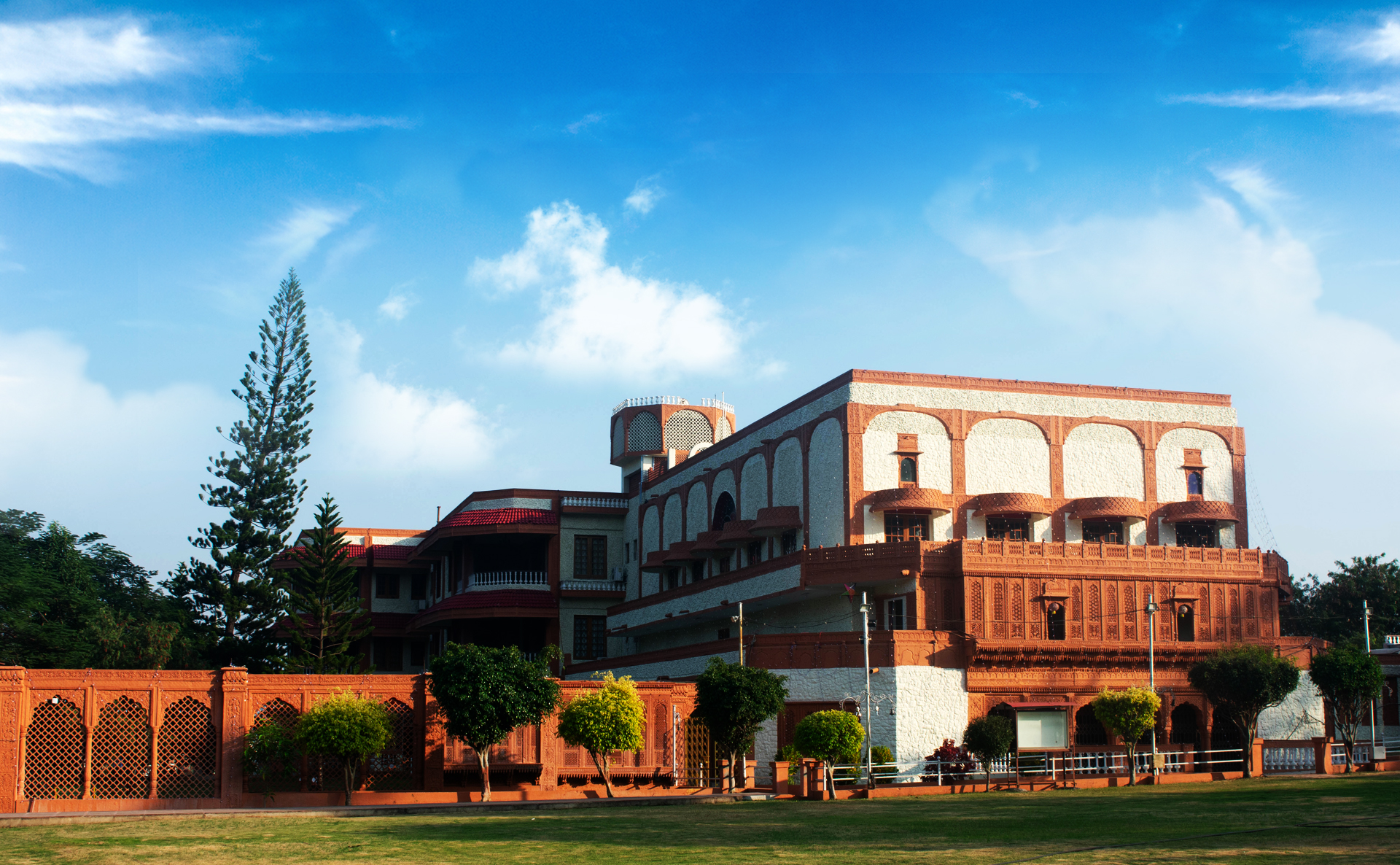
Her Holiness Shri Mataji Nirmala Devi lived in Pratishthan from 1986 till 2010. Her residence ‘Pratishthan’ was named after the capital of her ancestors the Shalivahanas (presently called Paithan). Pratishthan was gifted to H.H. Shri Mataji Nirmala Devi Sahaja Yoga Trust (National Trust) on 08 December 2010.
The National Trust established the H.H. Shri Mataji Nirmala Devi Museum at Pratishthan, Pune on 19 July 2015 in the memory of our Glorious, Divine and most Beloved Mother. This is the first museum of its kind in the world because it extols the Glory of Adi Shakti, the Primordial Mother, who incarnated on earth on 21 March 1923 as Shri Mataji Nirmala Devi and founded the Sahaja Yoga system of Meditation practiced all over the world today.
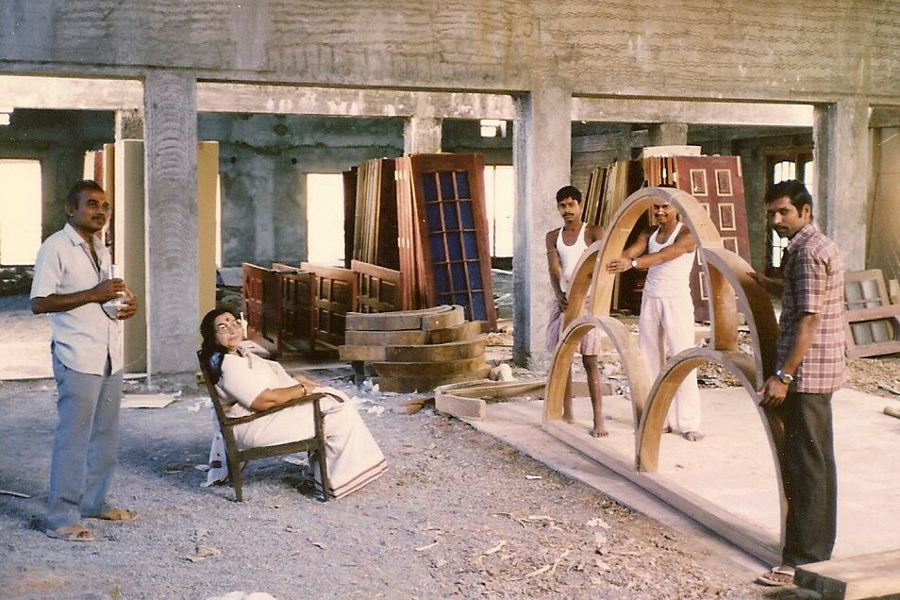
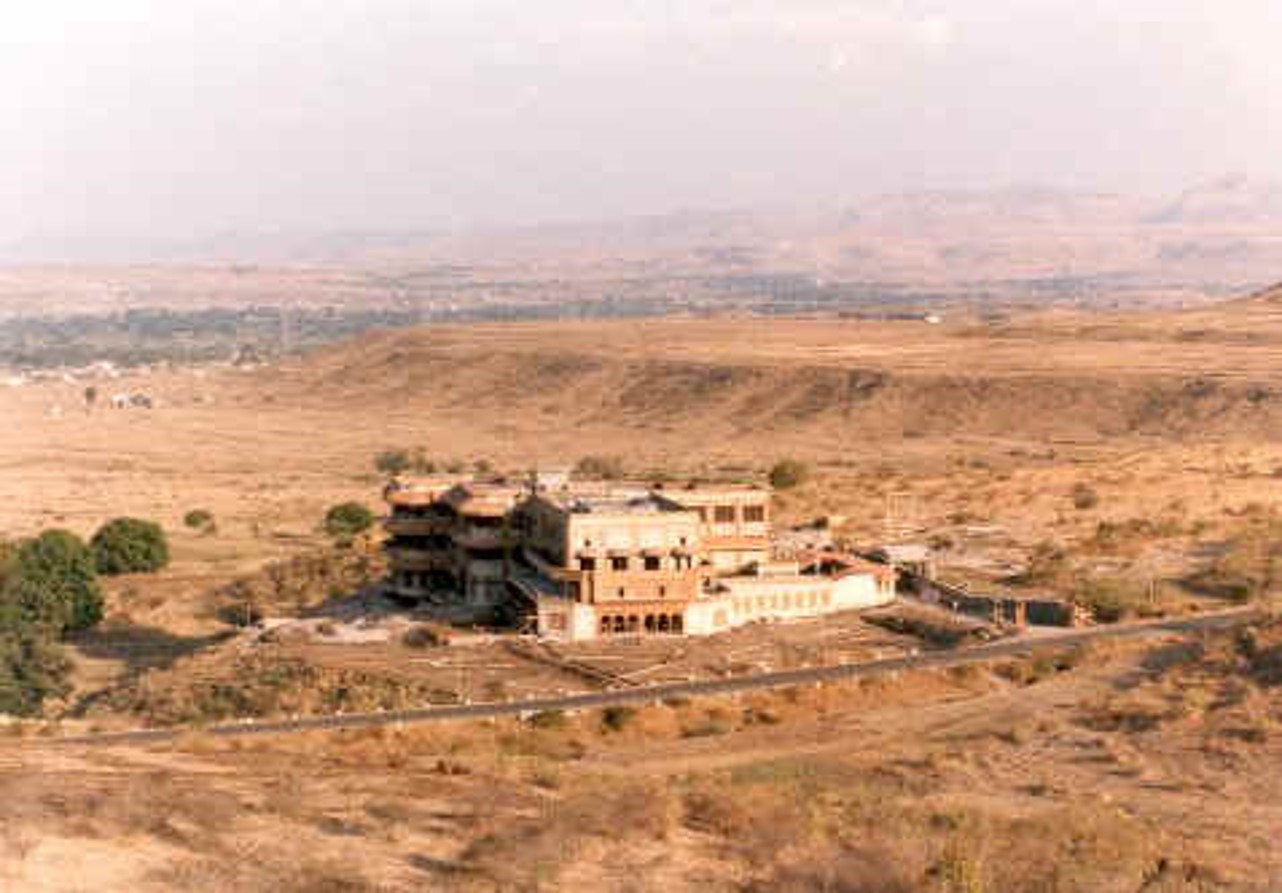
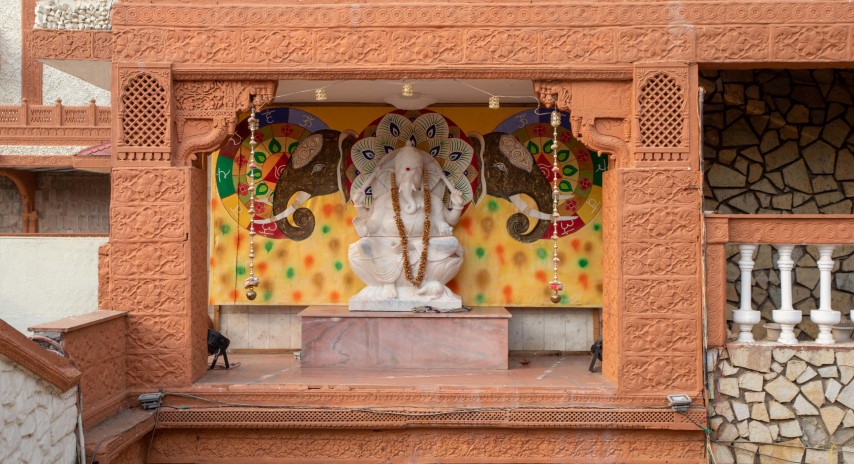
The construction of Pratishthan commenced on 08 January 1986. Shri Mataji personally designed Pratishthan to demonstrate how vibrations penetrate matter and create the coefficient of vibrations. Thus, She created every floor as a chakra, every room a petal of that chakra, and Her bedroom the abode of the Primordial Kundalini, guarded by the Swayambhu of Shri Ganesha that was miraculously unearthed in the Conference Hall.
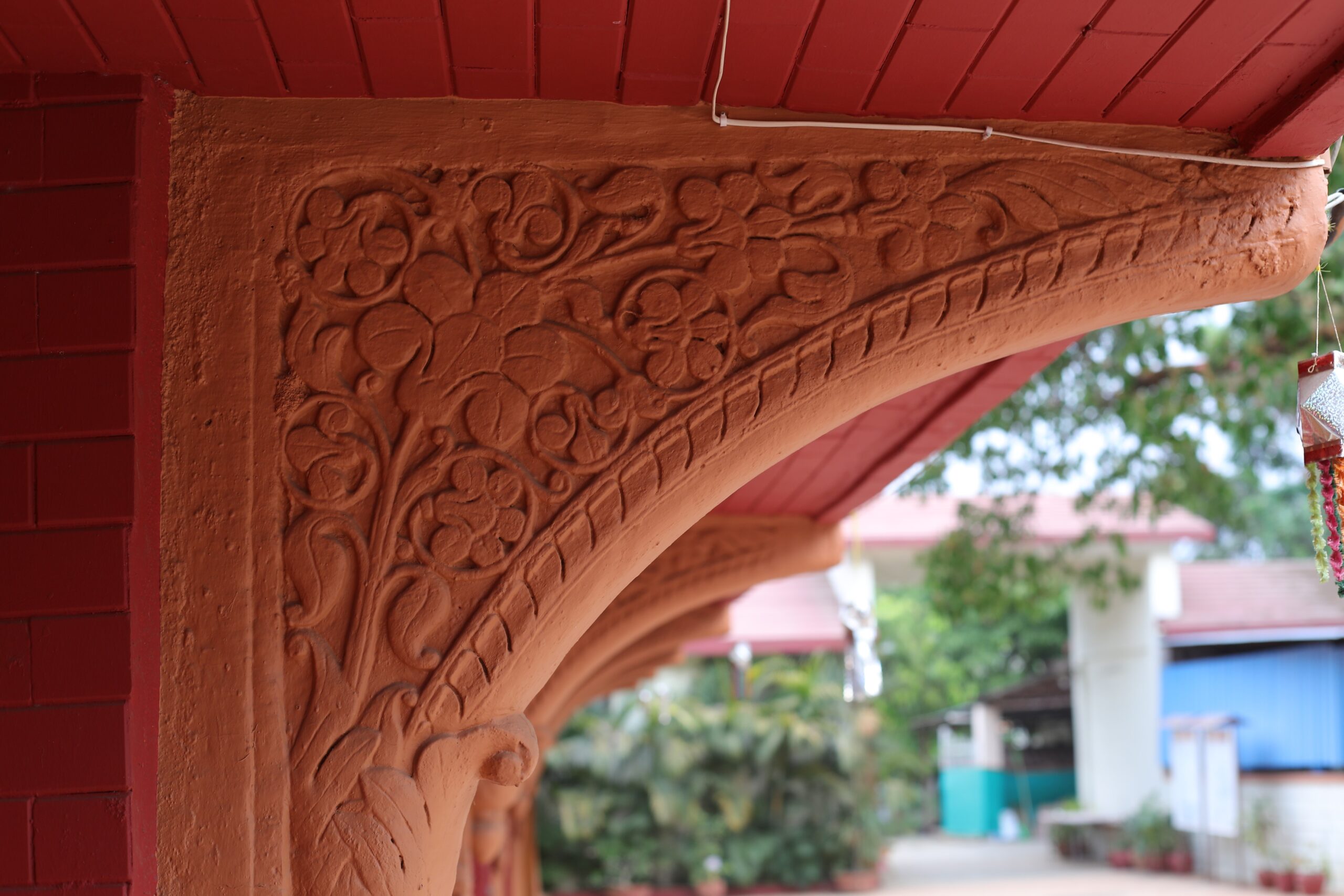
Shri Mataji used to say, “Mix a little colour to soften the harsh tones, and break the rigid lines for the Kundalini to spiral.”
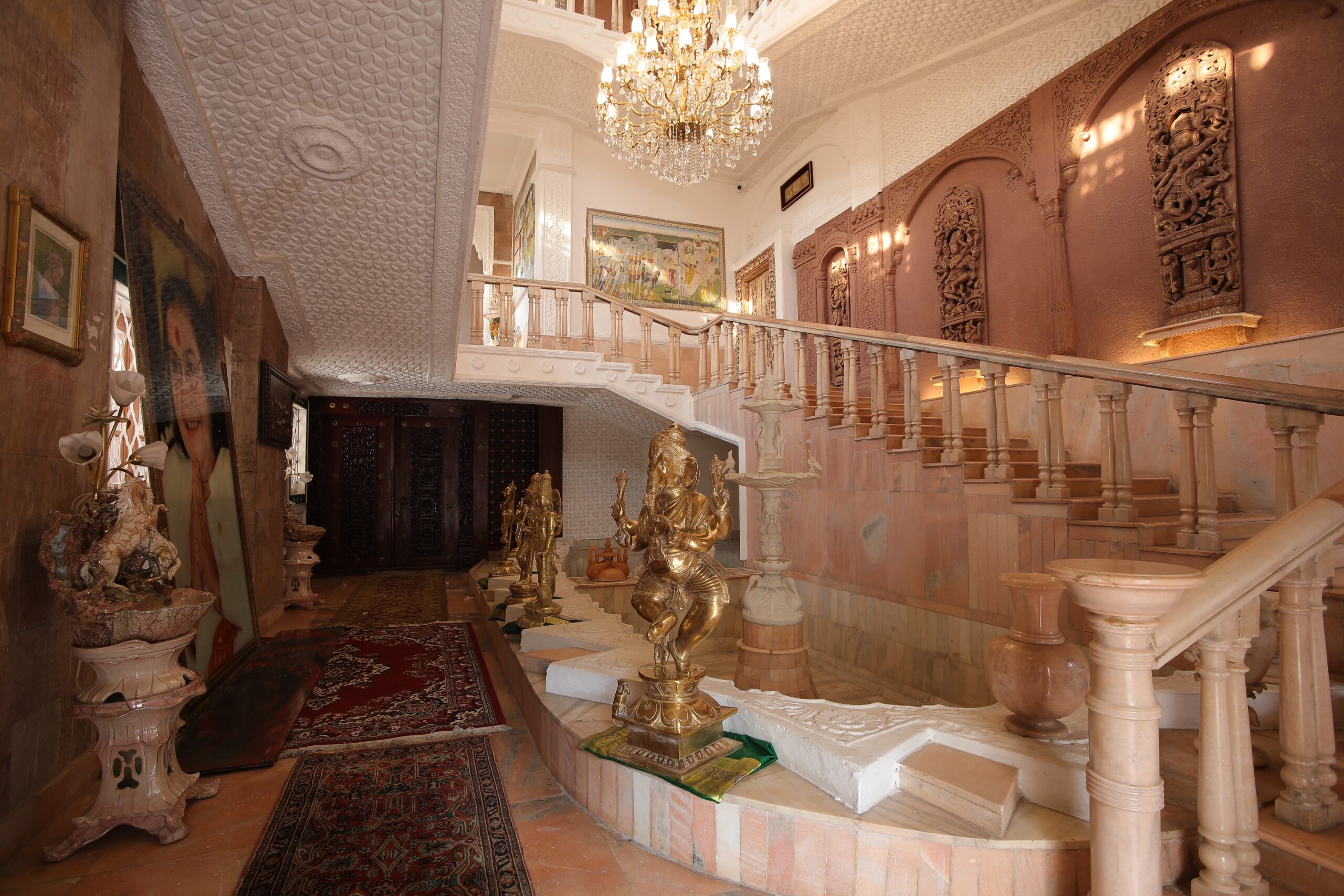
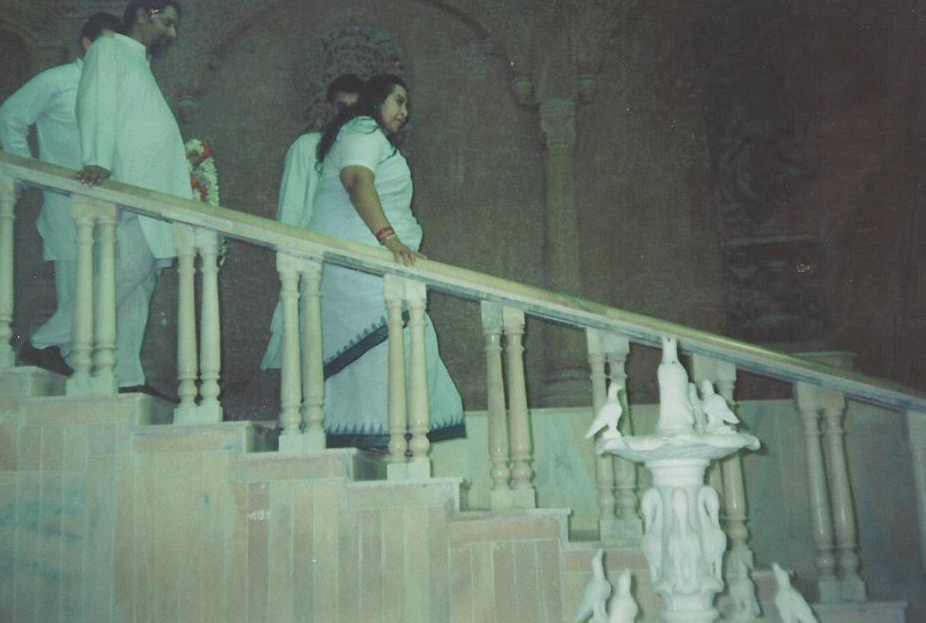
She built a grand staircase for the Kundalini to spiral up the Sushumna channel to the Sahastrar. Another staircase to its left formed the Ida channel that serviced the Annapurna chakra in the Nabhi, and the one to its right, the Pingla channel, serviced the Swadisthan.
All the materials used in the construction were carefully chosen to enhance vibrations. Materials bereft of vibrations like plastics, synthetics, and aluminum were taboo. Marble absorbs vibrations best, and She specially chose pink marble to embrace Her Sahaji children with the warmth of Her love.
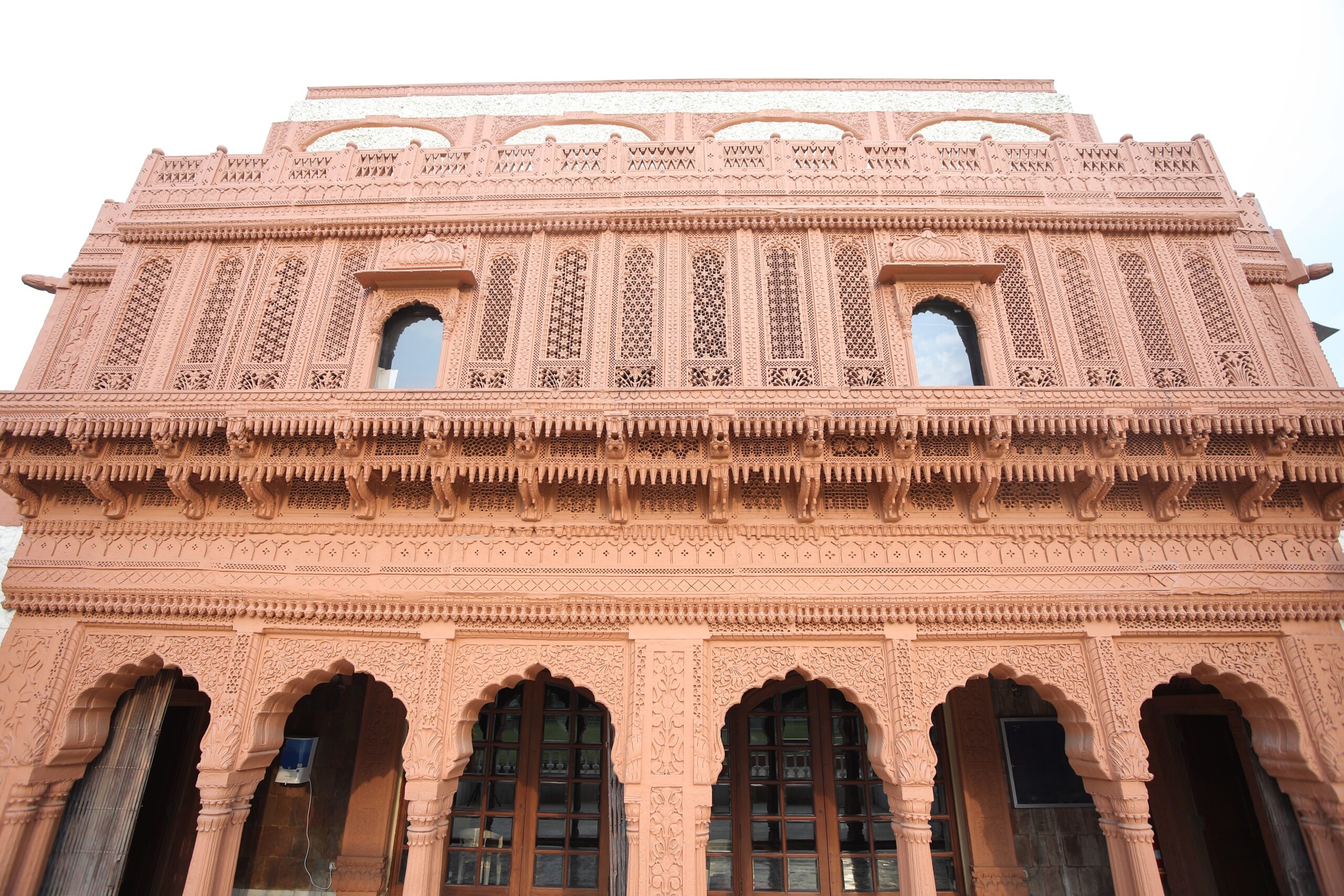
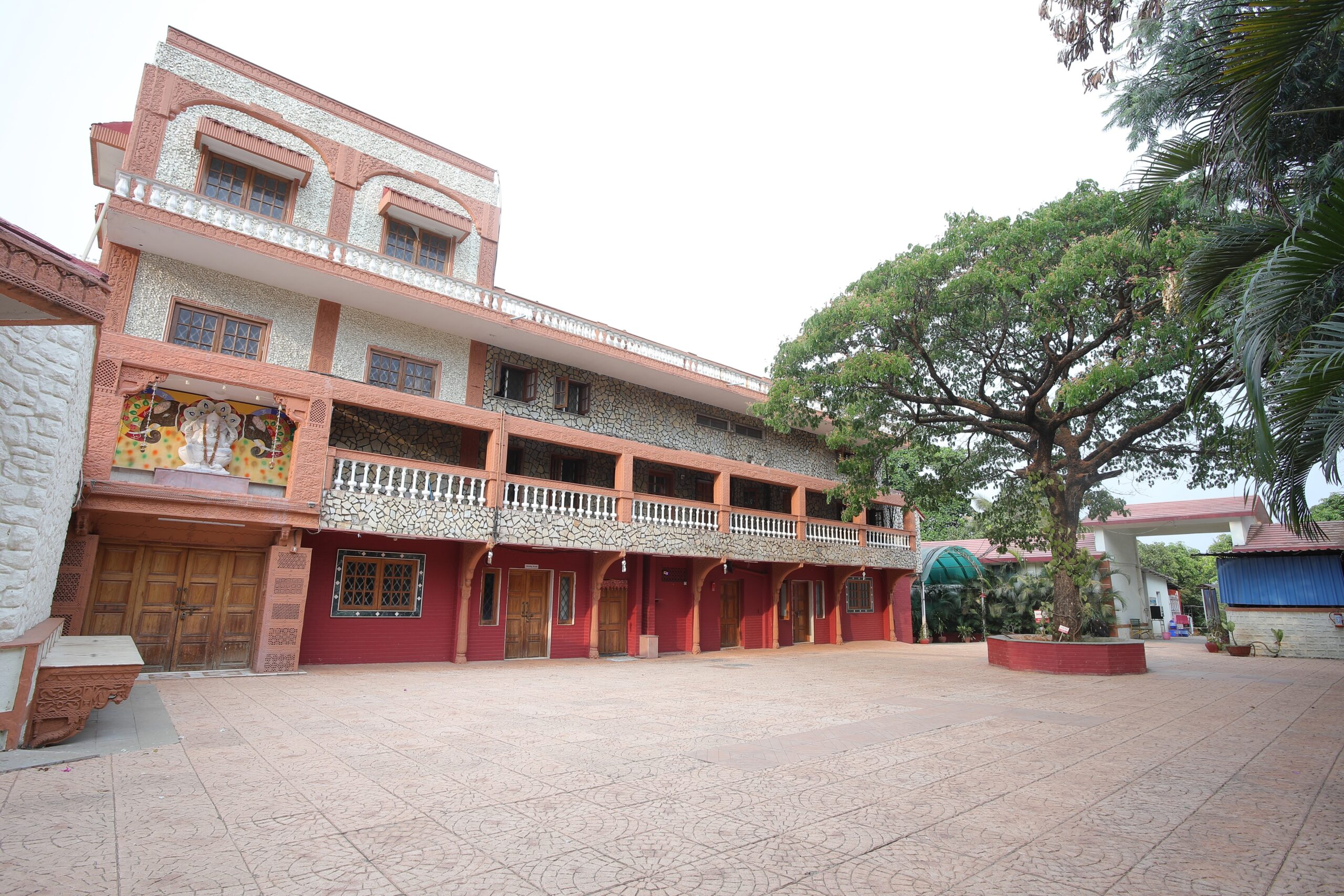
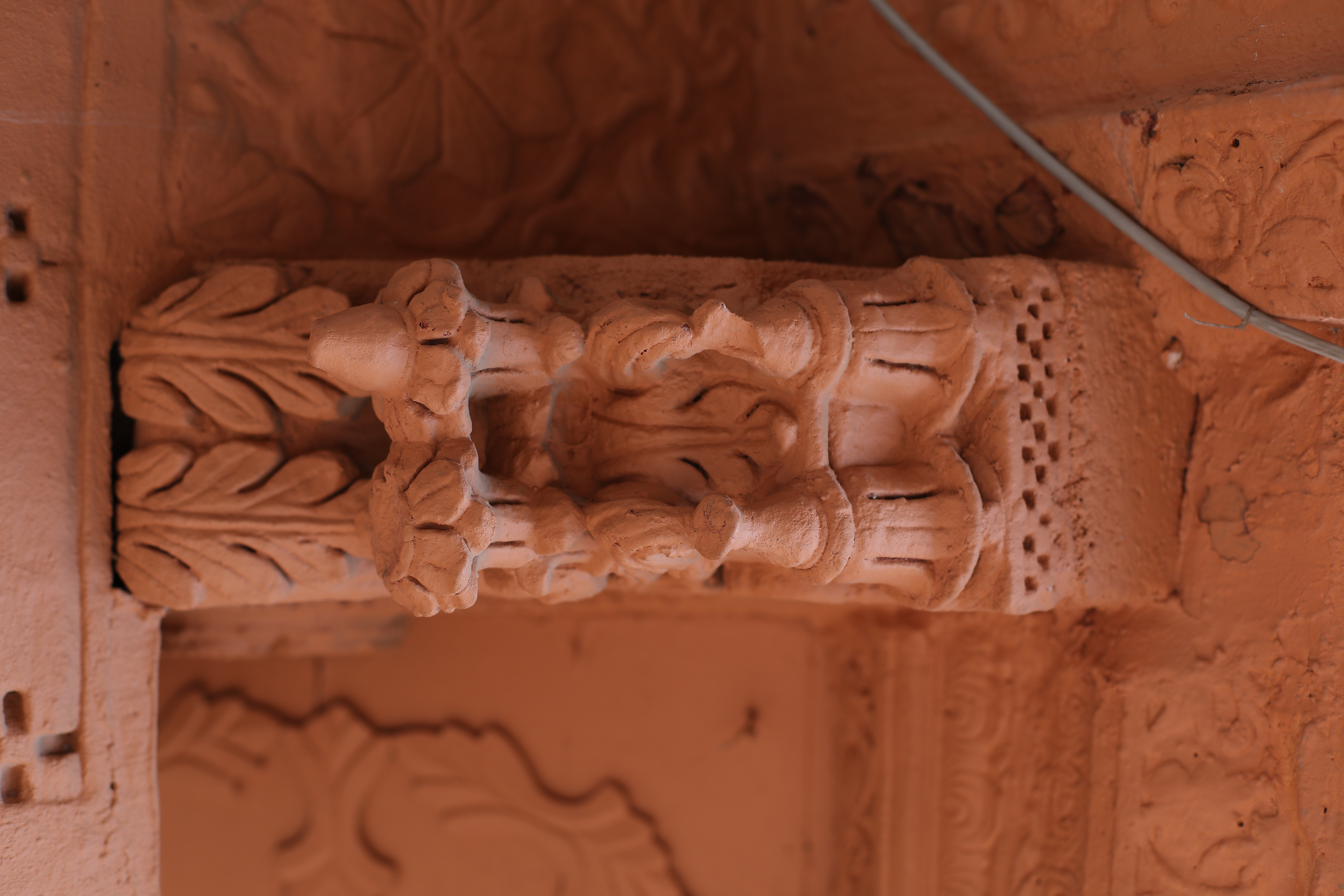
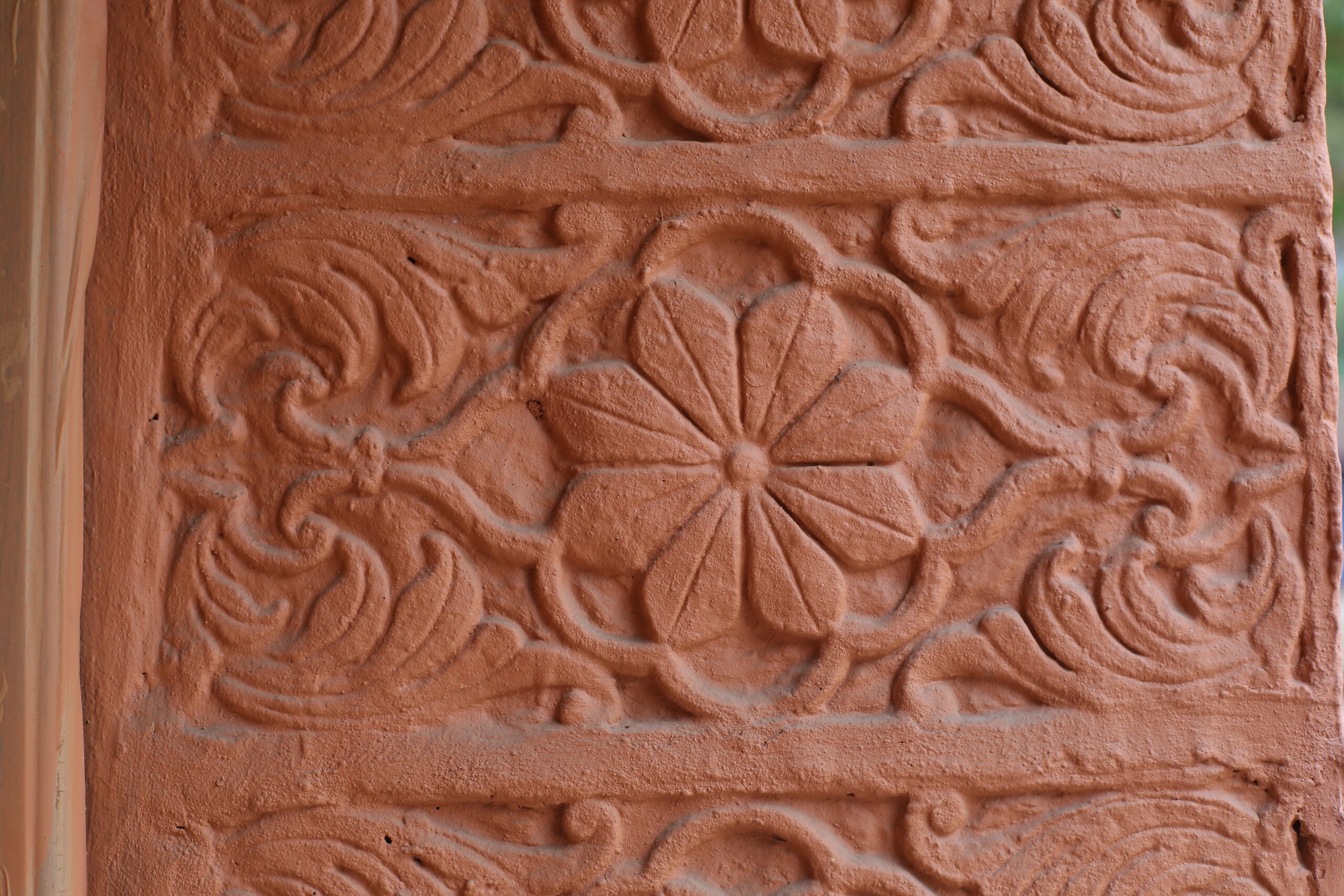
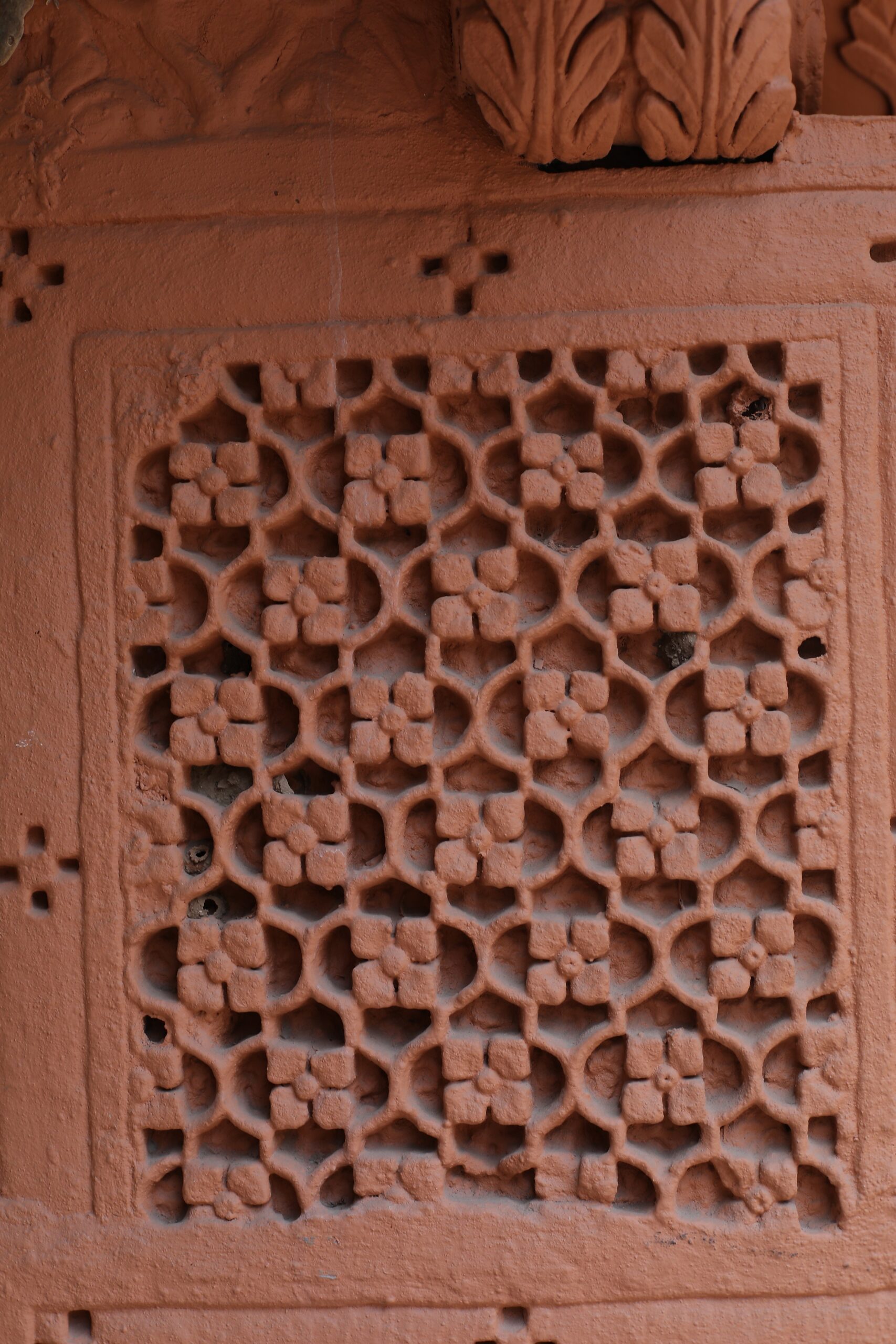
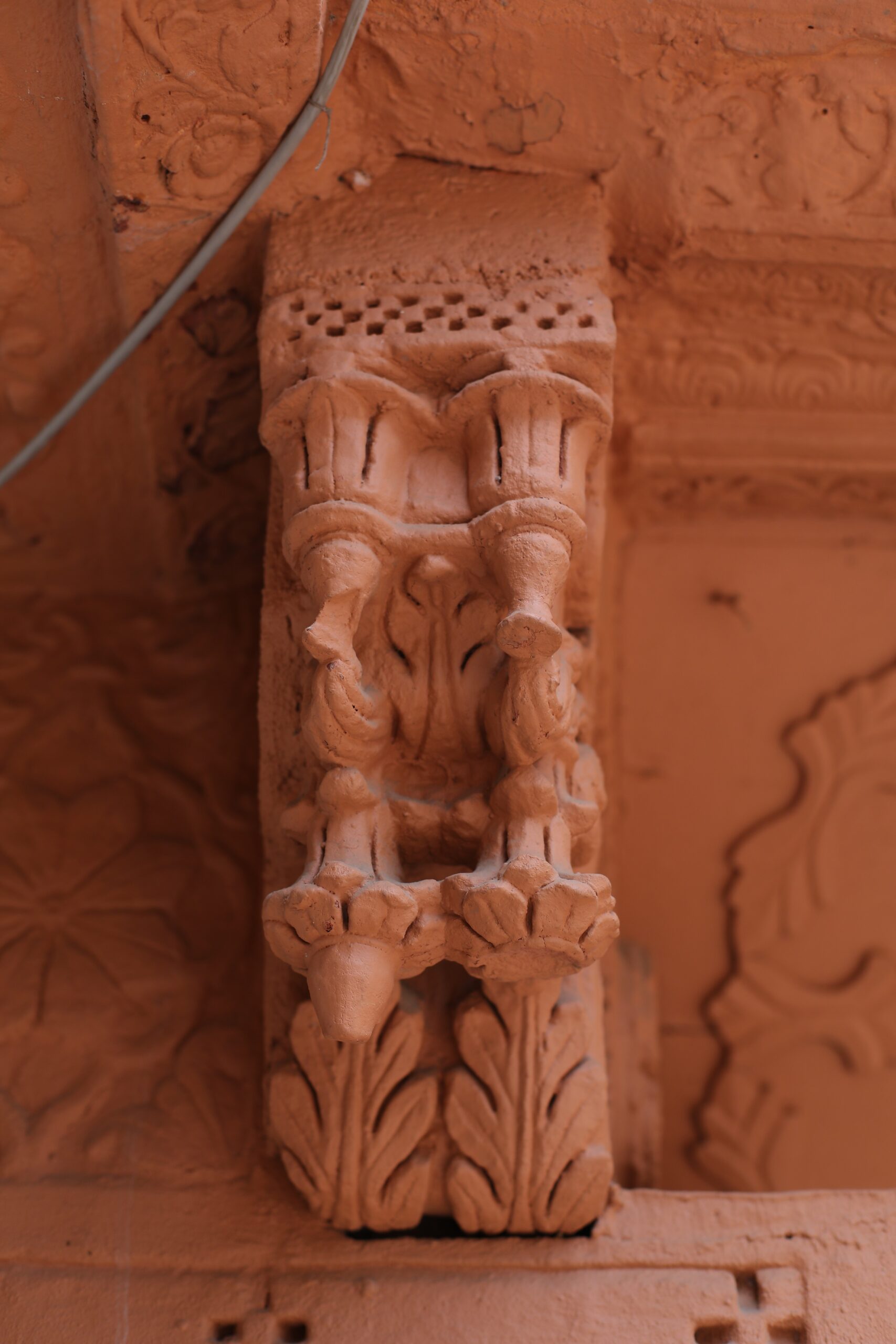
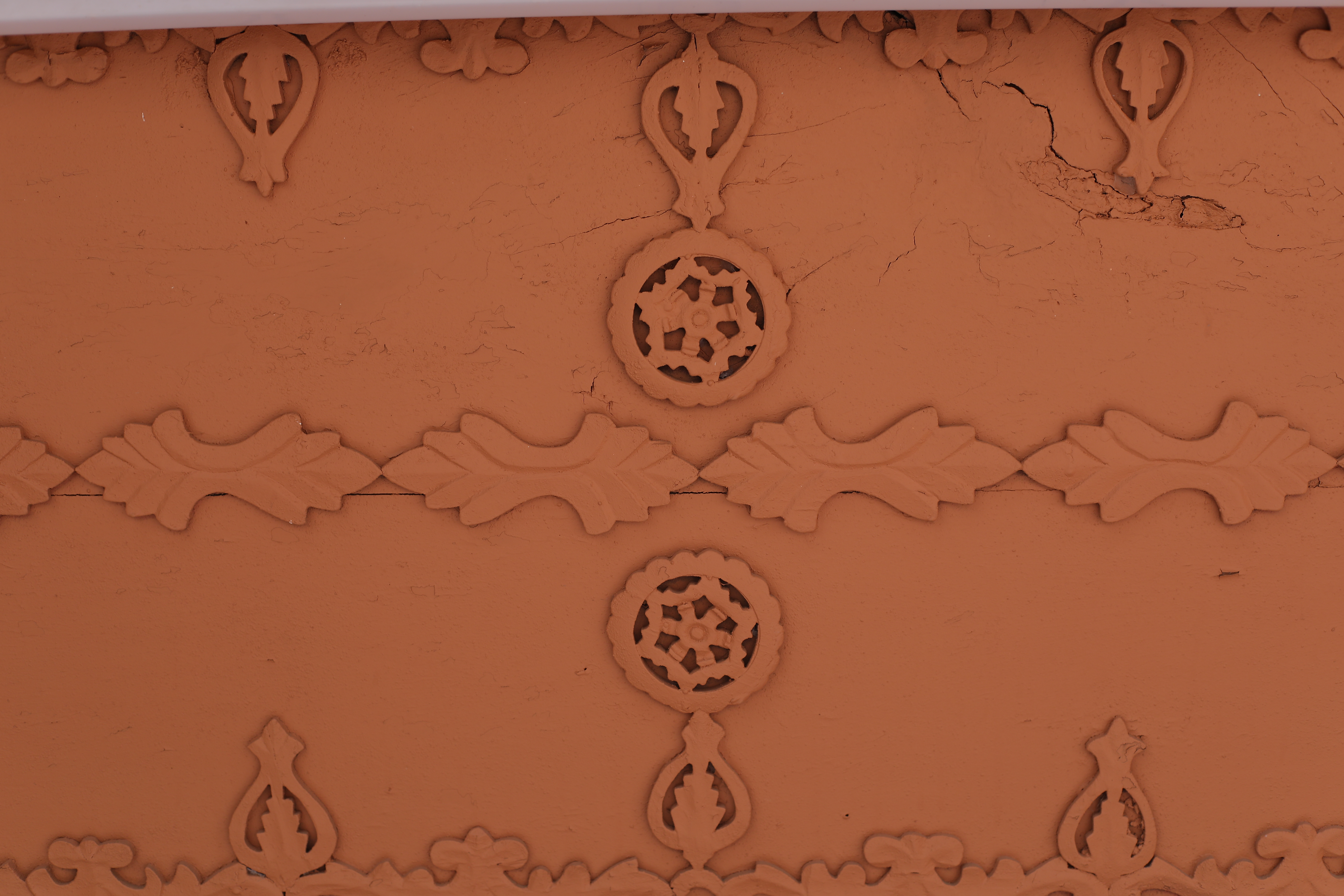
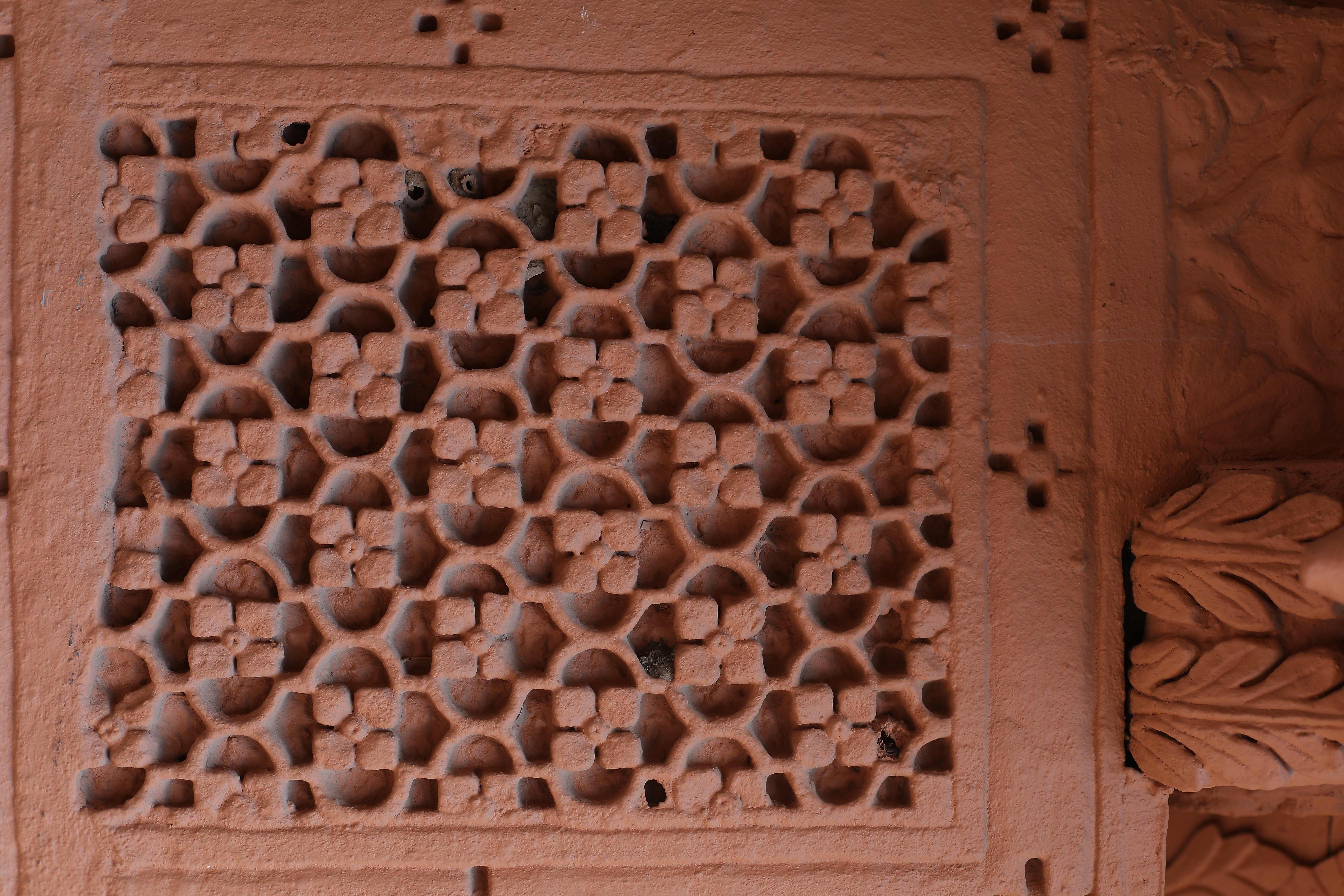
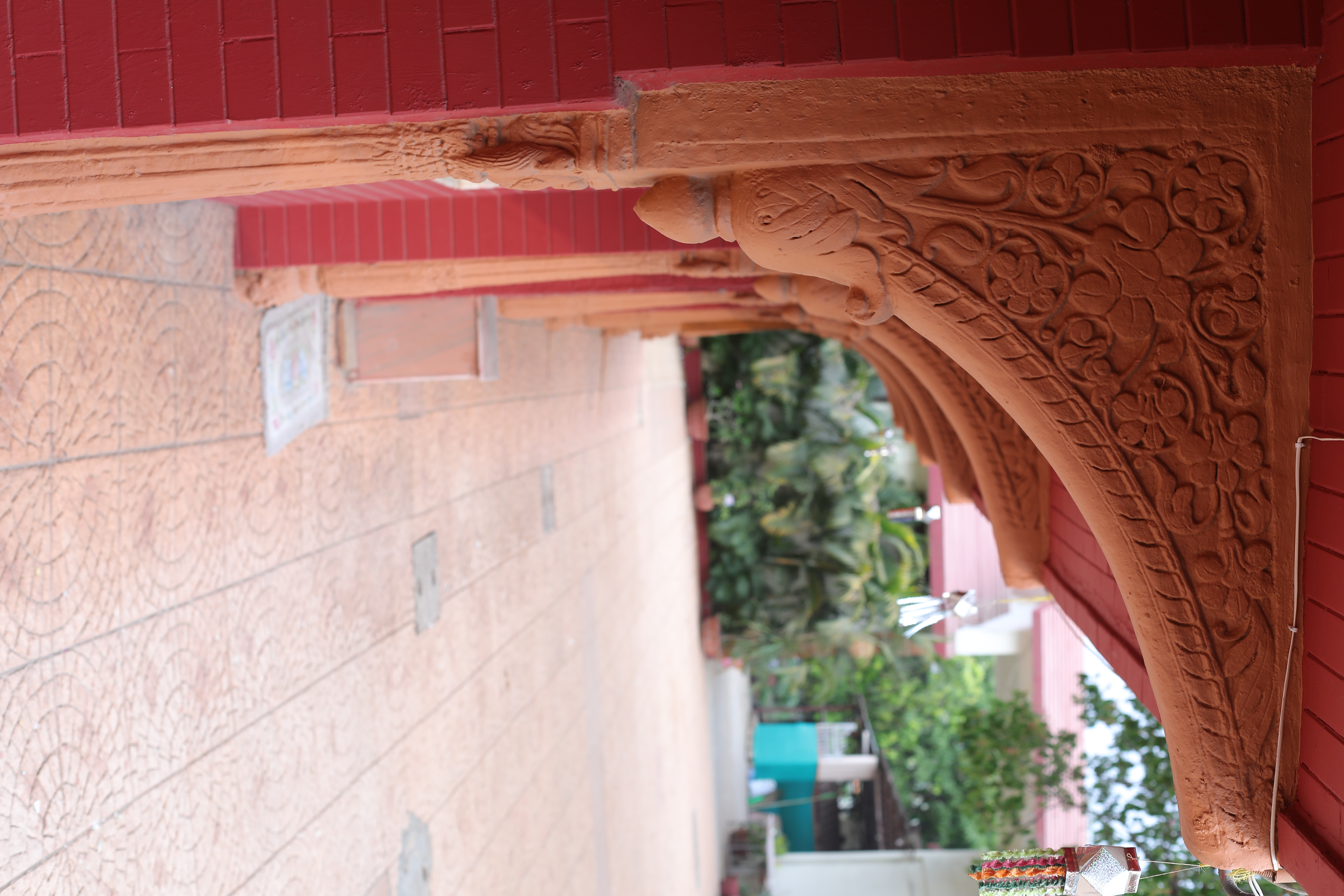
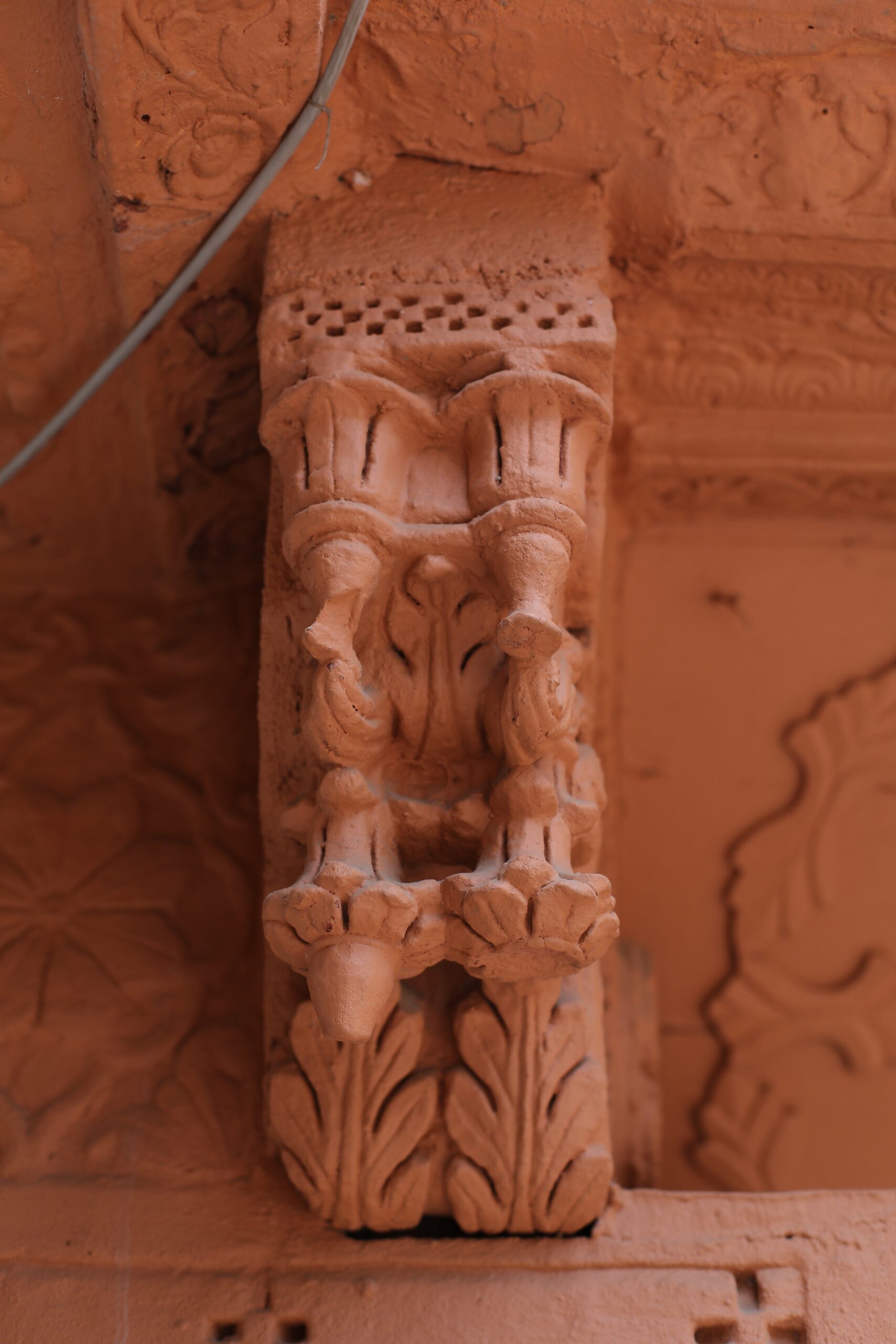
Instead of an imposing facade, She wanted Her children who were coming to their Mother’s house to feel the warmth. On a visit to Rajasthan, She was drawn by the vibrations of the humble stone craftsmen and bought a Haveli. She then reassembled the lattices to create a homely, motherly facade.
She also placed Her first-born son, Shri Ganesha, on the threshold to escort the new born babies to the Lotus Feet of their Mother.
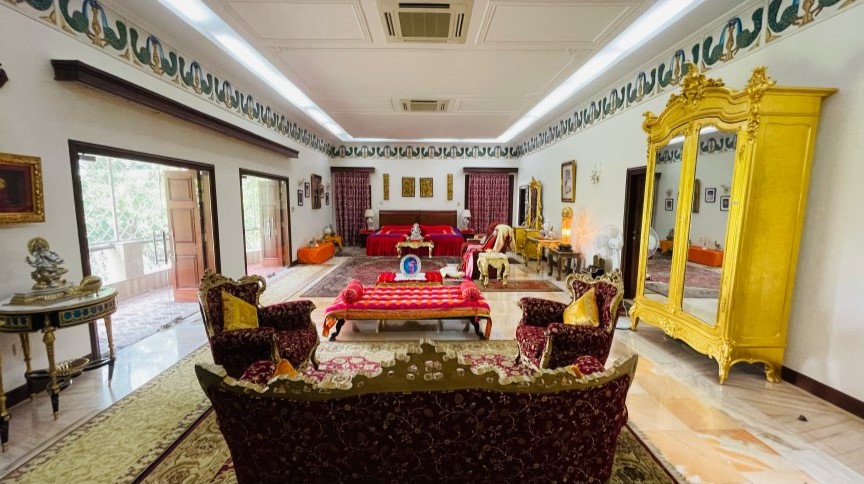
Shri Mataji's personal bedroom, the Peacock Room, is located on the ground floor. It is highly vibrated, kept in its original state, and open for Sahaja Yogis to sit silently, meditate, and absorb the divine energy.
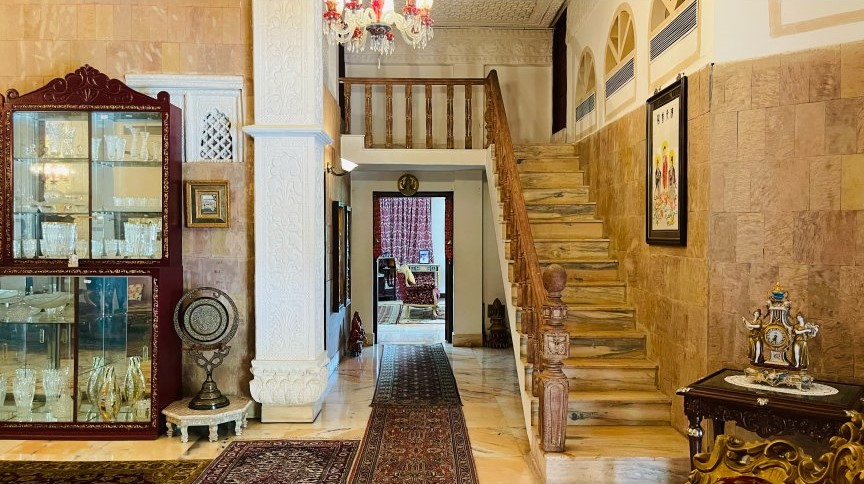
Displays Shri Mataji's life in photographs from different countries and precious gifts presented by Sahaja Yogis from all over the world. The master display gallery of the museum is the Music Hall displaying puja artifacts and items used by Her.
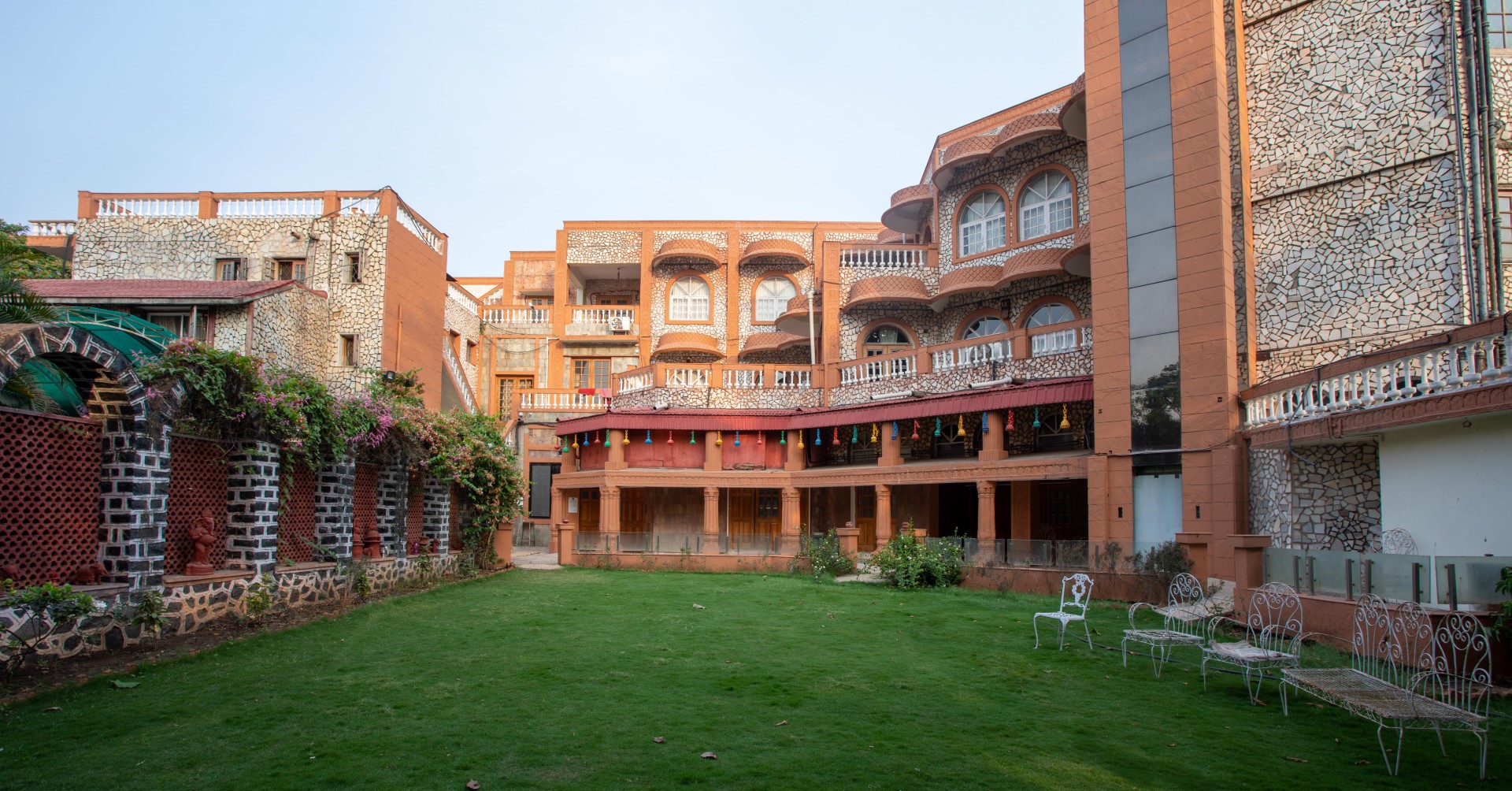
At the ground floor lies a beautifully manicured Garden of Eden, and adjacent to it stands the Nirmal Dhara Fountain. It is a peaceful place for walk, introspection, and collective silence.
Click on any photo to open the interactive slideshow viewer. You can navigate using the arrow controls or swipe on touch devices.